Article contents
Read the label alongside the model and its contents
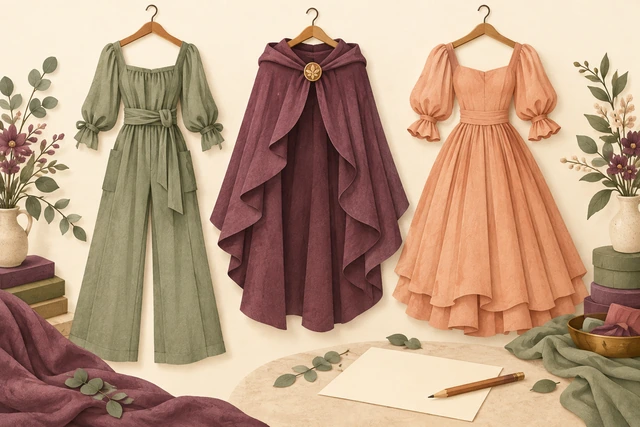
Keep the exact name or identifier of the design you are considering. Check which option carries the One Size label and which pieces are stated as included. A photograph of a complete look does not explain by itself whether the label covers the main garment, an accessory or several pieces.
If the costume includes separate elements, look for the fit information supplied for each one relevant to you. Do not automatically apply a dimension of the main garment to another piece.
Your first useful note is brief: “This is the model, these pieces are included, and these are the pieces I have information for.” It makes any unexplained part of the outfit easier to spot.
Find measurements linked to this design
Look for a chart, dimensions or selection instructions that refer to the exact model. The same label on a different costume is not a measurement reference for the one you are considering.
Read the dimension name, value, unit and measuring method together. An isolated mention of “waist” or “length” needs enough description to identify what is being measured. If the information appears in different parts of the page, collect it before deciding.
Record missing details rather than filling them with a general size conversion. One Size does not supply numerical limits for an incomplete chart. The aim is to establish what information is actually available for this design, before using it to make a choice.
Establish whether the measurements describe body or garment
A chart may describe the body measurements the model is intended for, or the dimensions of the garment itself. Find out which basis is used before comparing.
For body measurements, follow the corresponding measuring instructions. For garment dimensions, check how they were taken: for example, whether a stated dimension is a circumference or a width measured with the garment flat. Do not turn an unclear value into something else simply because that would make comparison easier.
You do not need to measure everything again. You need to know that the figures you compare describe the same thing. When that basis is missing, the next action is to request it for the specific model.
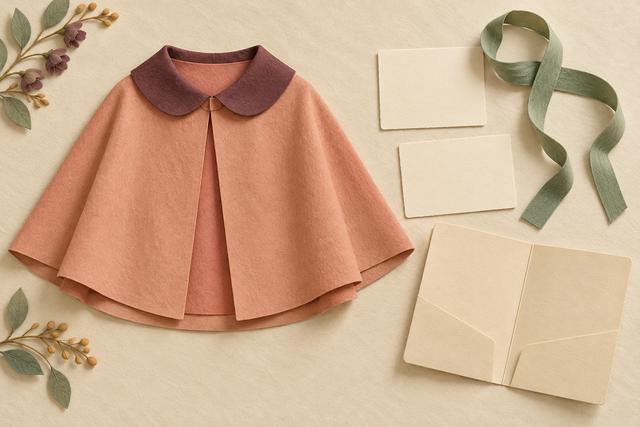
Check exactly what can be adjusted
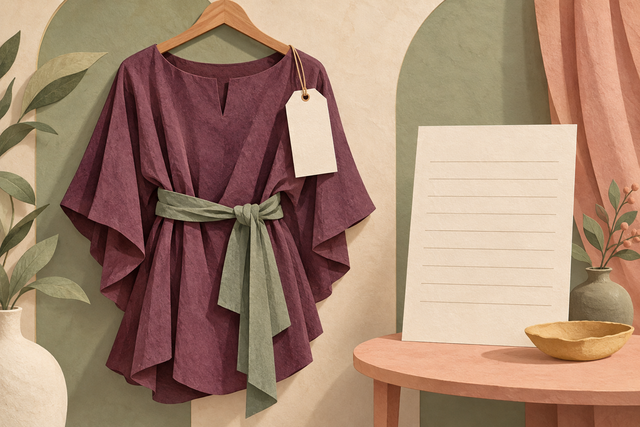
If the description mentions a belt, tie or another adjustment point, look for where it is and what it changes. Adjustment at one point does not establish that every other dimension changes too.
Also check whether the adjusting piece is included. If it is a separate accessory, you need to know that before counting it as part of the fit. A precise question might be: “Is the tie described included, and which dimension does it adjust?”
Words such as “stretchy” or “adjustable” do not provide an adjustment limit on their own. Look for the information stated for that model, without calculating your own allowance from the picture or label. This keeps a visible feature separate from an unsupported assumption about how much room it creates.
Compare the information before making the choice
Here are two hypothetical information records. They show how the next step changes with what you know, rather than recommending products.
| Record | What is known | Next action |
|---|---|---|
| A: documented | Exact model and contents, a body measurement chart with units and instructions, and a clear description of the adjustment point. | Compare your relevant measurements using the instructions and check whether any discrepancy remains. |
| B: unclear basis | Exact model, a One Size label and a waist dimension, without identifying whether it describes body or garment. | Ask for the measurement basis and method before using the dimension. |
Record A makes a meaningful comparison possible; it does not make the decision for you. For record B, ask: “For this model, does the waist figure describe a body measurement or a garment dimension? How is it measured, and in which unit?”
If the answer only repeats One Size, the gap remains. Keep the choice open until the necessary information is available, or consider another option that you can assess using clear data.
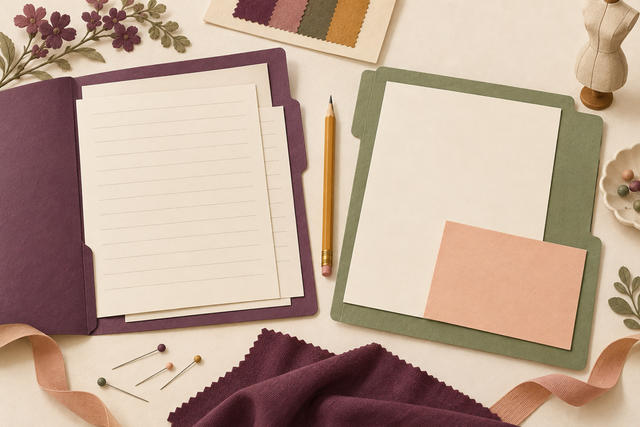
Make an evidence card for the model you are considering
Write the exact model at the top. Fill the second column with what is explicitly stated and the third only with details that still need an answer.
| Check | What is stated for the model | What needs clarification |
|---|---|---|
| Included pieces | … | … |
| Dimensions and units | … | … |
| Body or garment, and method | … | … |
| Adjustment point and method | … | … |
If no adjustment is mentioned, write “not stated” rather than assuming one exists. The card separates information you can already compare from details that still need evidence.
Your next step: complete the card for one specific One Size costume and use its gaps to write your question.