Article contents
Decide on the look before the shopping list
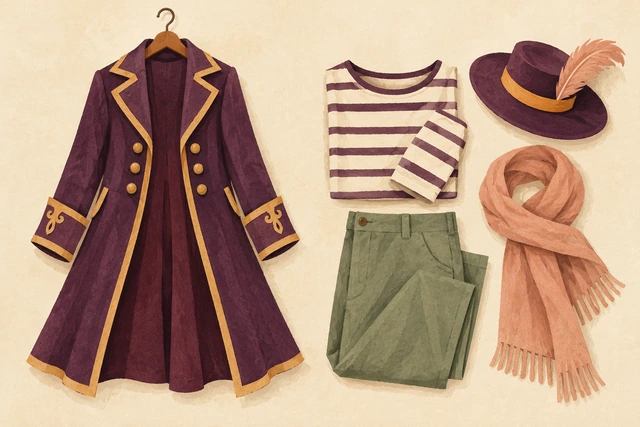
Write down what you want: a subtle nod to a theme, a dramatic transformation or a particular outfit with distinctive shapes and colours. Then identify the element you would not want to leave out. If that is the main garment, start by considering a ready-made costume. If it is a detail you can add to suitable clothes, begin with what you own.
In this guide, “full costume” means building the look around a garment designed for the role. It does not mean everything must come in one package or that every accessory is included. The other approach uses everyday clothes as the base, with chosen additions. You decide what the finished look needs in either case.
Check the base before judging either option
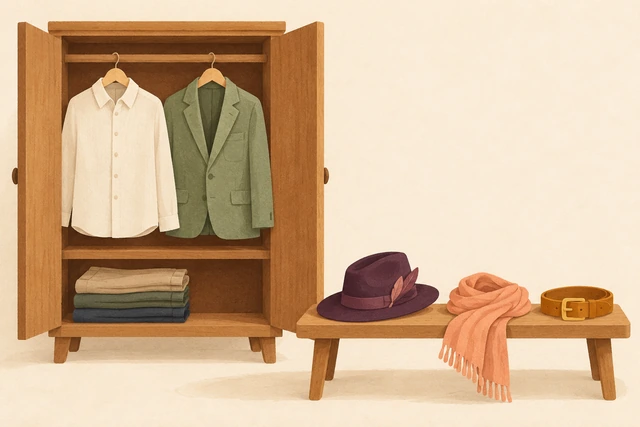
Take out the actual clothes you intend to wear. Check their colours, shape and fit together. A garment you remember owning is not yet a usable base: it might no longer fit or might need care before you wear it. If alterations are needed, note which ones you are willing and able to make.
For a ready-made costume, check the description and size chart for that specific option. Compare your measurements with the corresponding information and ask for clarification if it is unclear which chart applies. Treat a familiar size label as a starting point rather than a completed fit check.
When the pieces are available to try, wear them together as intended. Sit down, walk around and see whether additions stay in place. Assess comfort in your actual outfit; choosing everyday clothes or a costume does not settle that question on its own.
Put both options through the same comparison
Compare the same intended look for the same occasion. Mark each row “checked”, “needs work” or “unknown” for both options.
| Criterion | Full costume | My own clothes and accessories |
|---|---|---|
| Appearance | Does it give me the shape and details I want? | Does my existing base work for my version of the look? |
| Preparation | What still needs trying on or coordinating? | Do I need alterations, craft work or other clothes? |
| Fit | Have I checked the size and the whole outfit together? | Do the clothes and additions work when worn together? |
| Spending now | What will the costume and chosen extras cost? | What will all additions and necessary alterations cost? |
| Another use | When would I actually want to wear this costume again? | Which pieces would I want to use again? |
| Unanswered questions | What needs confirming before I decide? | Which essential addition have I not found yet? |
Do not choose simply by counting the “checked” entries. Give priority to the requirement that matters most to you. If you do not want to make anything, an option that depends on craft work does not meet your needs, even if the rest of the column looks promising.
Compare actual spending and preparation
For each version, add the known prices of everything you need to buy, the alteration materials or services you have chosen, and confirmed order charges. Leave unknown charges unresolved instead of entering zero. Do not add the original purchase price of clothes you already own to today's budget, but check whether using them will involve new spending.
Record your estimate of preparation time separately. Buying fewer items does not by itself establish a lower total price or less work. Equally, price alone does not give you enough information to judge the quality of the particular items.
One theme can lead to two sensible choices
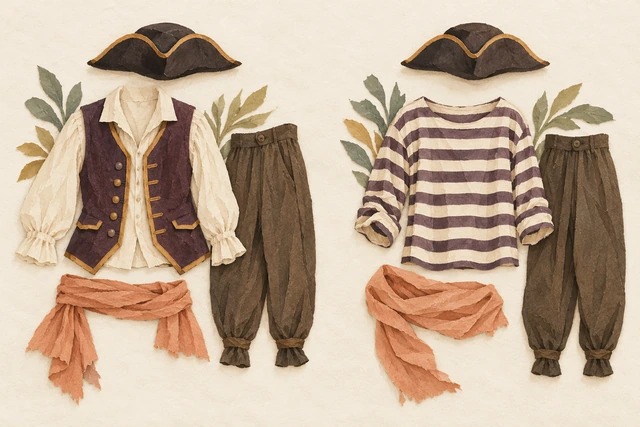
Imagine a hypothetical pirate-themed party. You already have a shirt and trousers you like for a simple interpretation, and you only want one distinctive addition. Starting with your own clothes is a reasonable option. If your preferred look instead depends on a particular long coat that you do not own and do not want to make, consider a costume that supplies that base. The example does not establish which route costs less.
Use this short decision card:
- The look I want: __________
- The element I do not want to leave out: __________
- My chosen approach and reason: __________
- The check I still need to make: __________
Complete the card for one look you are considering, using the comparison table to support your choice.